How to Encourage Civic Participation
Civic participation is crucial for a robust democracy and community development. Engaging citizens in local governance and community activities can lead to positive changes and improved quality of life. This article explores effective strategies and practices for encouraging civic participation in communities across the United States.
Understanding Civic Participation
Civic participation involves individuals actively engaging in their communities and contributing to the democratic process. According to research, communities with higher levels of civic engagement often experience better governance and enhanced public services. Experts suggest that fostering a culture of participation can lead to a more informed and active citizenry, which typically results in effective community problem-solving.

"Communities thrive when citizens take an active role in governance and community activities."
Strategies for Encouraging Civic Participation
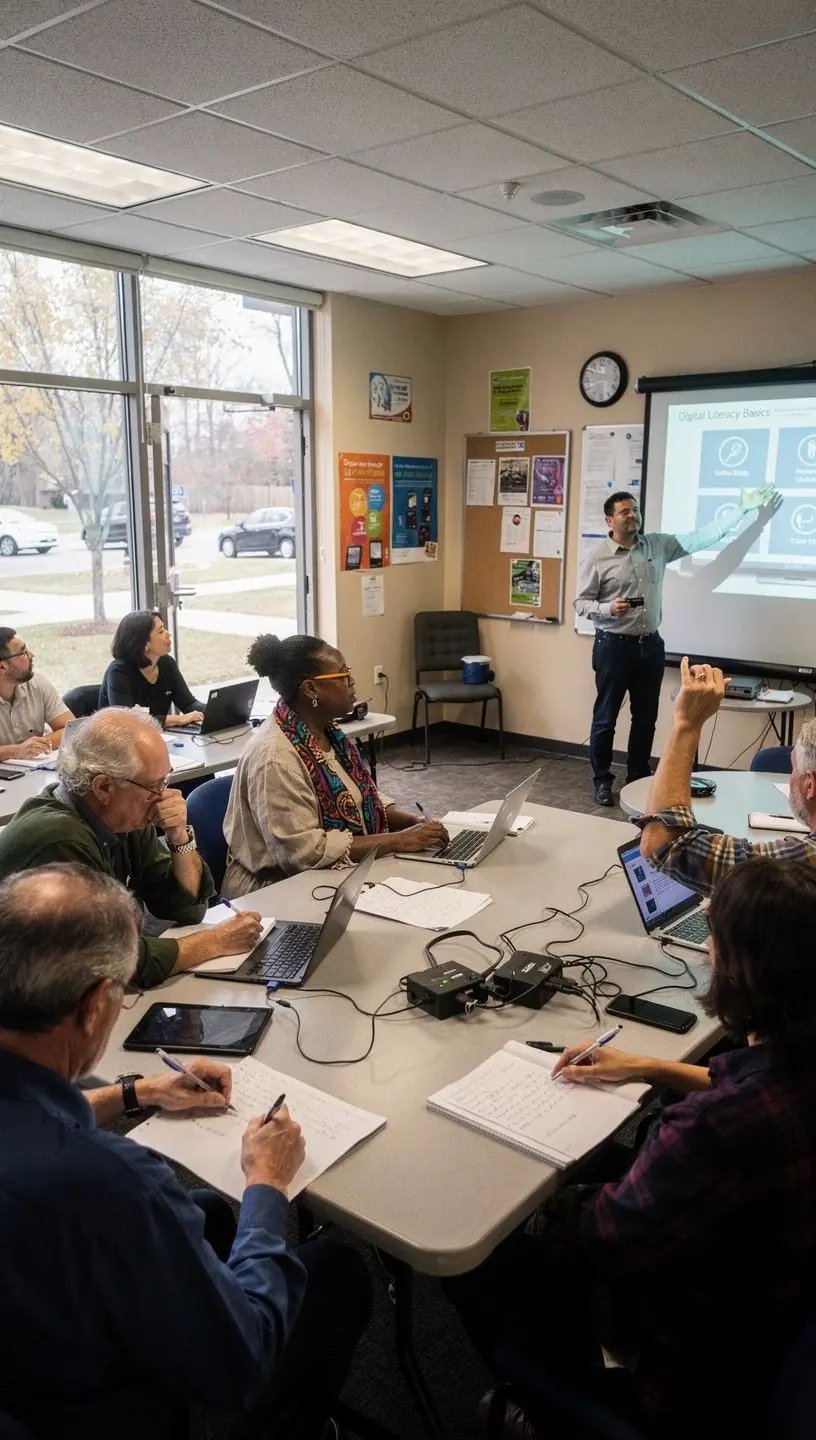
- Education and Awareness: Providing citizens with information about local issues, governance processes, and the importance of their involvement can motivate them to participate. Research indicates that well-informed citizens are more likely to engage in civic activities.
- Creating Inclusive Opportunities: Opportunities for participation should be accessible to everyone. Events and activities that consider diverse schedules and backgrounds tend to attract more participants. For instance, holding meetings at various times and locations can increase attendance.
- Utilizing Technology: Many individuals report that online platforms facilitate their engagement. Utilizing social media and community apps can help disseminate information quickly and encourage discussions. Studies show that technology can be a reliable way to connect with younger demographics.
Building Relationships and Trust
Establishing trust between local governments and citizens is essential for encouraging participation. According to industry experts, transparency in decision-making processes can enhance public trust, making individuals more likely to engage. Communities can foster trust by:
- Encouraging Open Dialogue: Regular town hall meetings or forums where citizens can voice their opinions and ask questions can promote transparency and build trust.
- Recognizing Contributions: Acknowledging the efforts of volunteers and active participants can create a sense of belonging and motivate others to get involved.
- Providing Feedback: Sharing how citizen input has influenced decisions reinforces the value of participation. In many cases, when citizens see their contributions making an impact, they are more likely to engage in the future.
Conclusion
Encouraging civic participation requires a multifaceted approach that includes education, inclusivity, and trust-building. By implementing these strategies, communities can enhance citizen engagement, leading to stronger local governance and improved quality of life. While the process may take time and effort, the long-term benefits of a more engaged community are invaluable.