How to Foster Neighborhood Collaboration
Building a collaborative neighborhood environment can significantly enhance community well-being. By implementing practical strategies, residents can work together to create a supportive and vibrant local culture.
Understanding the Importance of Collaboration
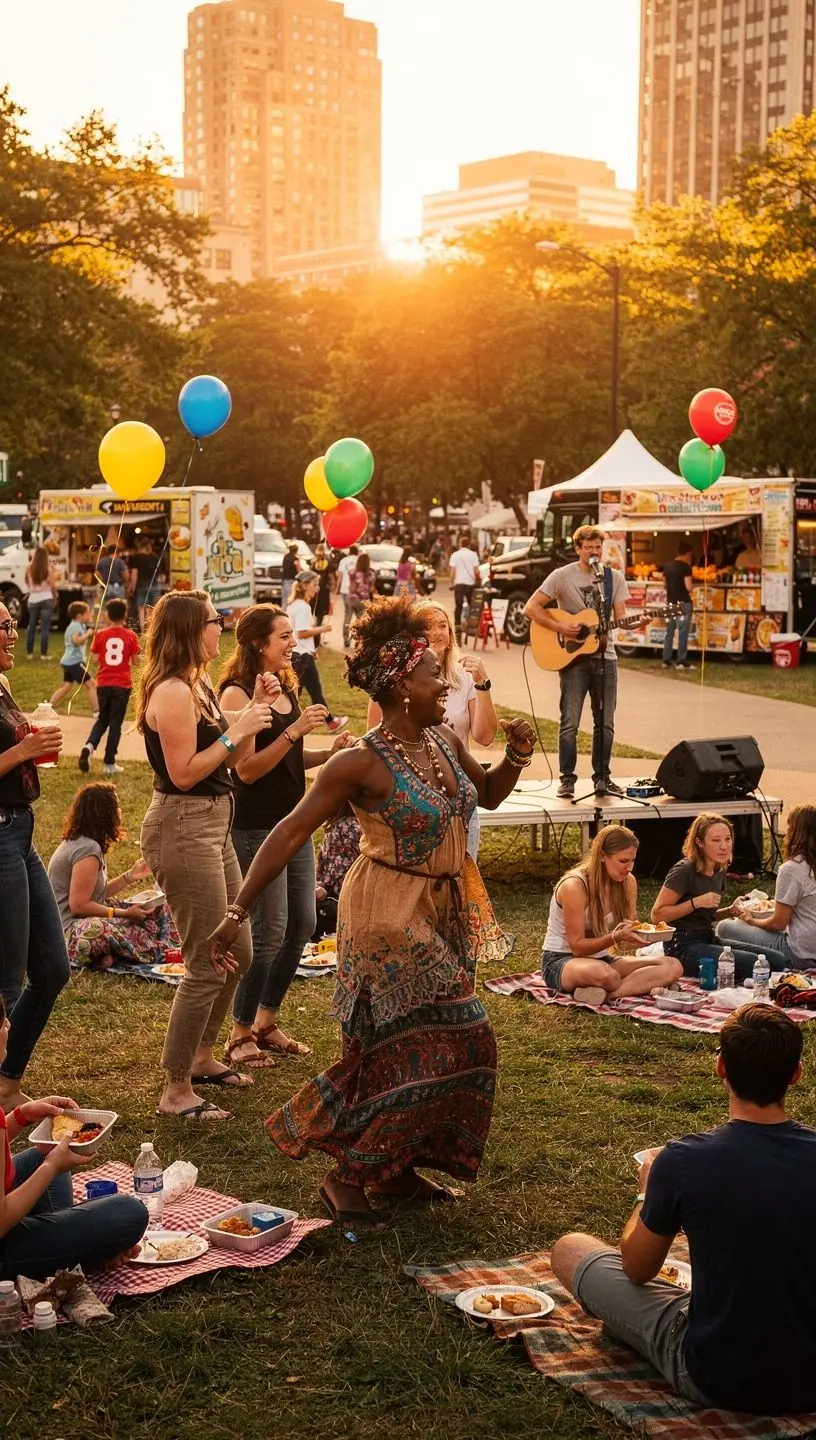
Neighborhood collaboration is essential for fostering a sense of belonging and trust among residents. Research indicates that communities with a strong collaborative spirit often experience lower crime rates, better public health outcomes, and increased property values. The principle behind this is simple: when people feel connected to one another, they are more likely to engage positively with their surroundings and support each other during times of need.
"Communities that actively engage in collaboration report a 30% increase in social cohesion, according to a study by the Community Development Institute."
Key Strategies for Encouraging Collaboration
Here are several effective approaches residents can take to foster collaboration within their neighborhoods:
- Organize Regular Community Meetings: Schedule monthly gatherings for residents to discuss local issues, share ideas, and plan events. These meetings typically foster open communication and help build relationships among neighbors.
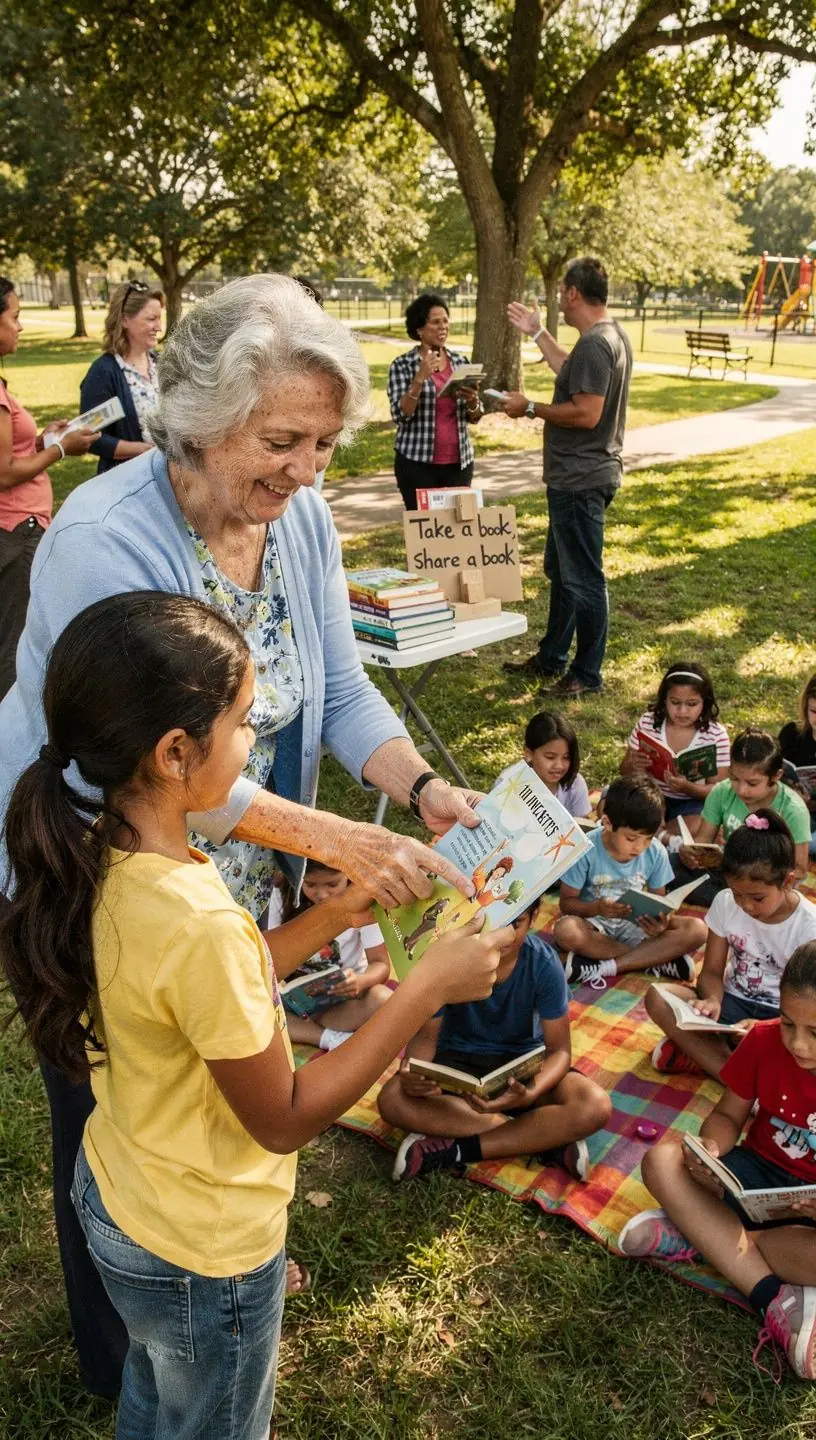
- Create Shared Spaces: Advocate for community gardens, parks, or recreational areas. Research shows that shared spaces can enhance social interactions and provide residents with opportunities to collaborate on projects.
- Leverage Technology: Utilize social media platforms or neighborhood-specific apps to facilitate communication and information sharing. Many users report that these tools can help residents stay connected and informed about local events or initiatives.
Engaging Local Organizations
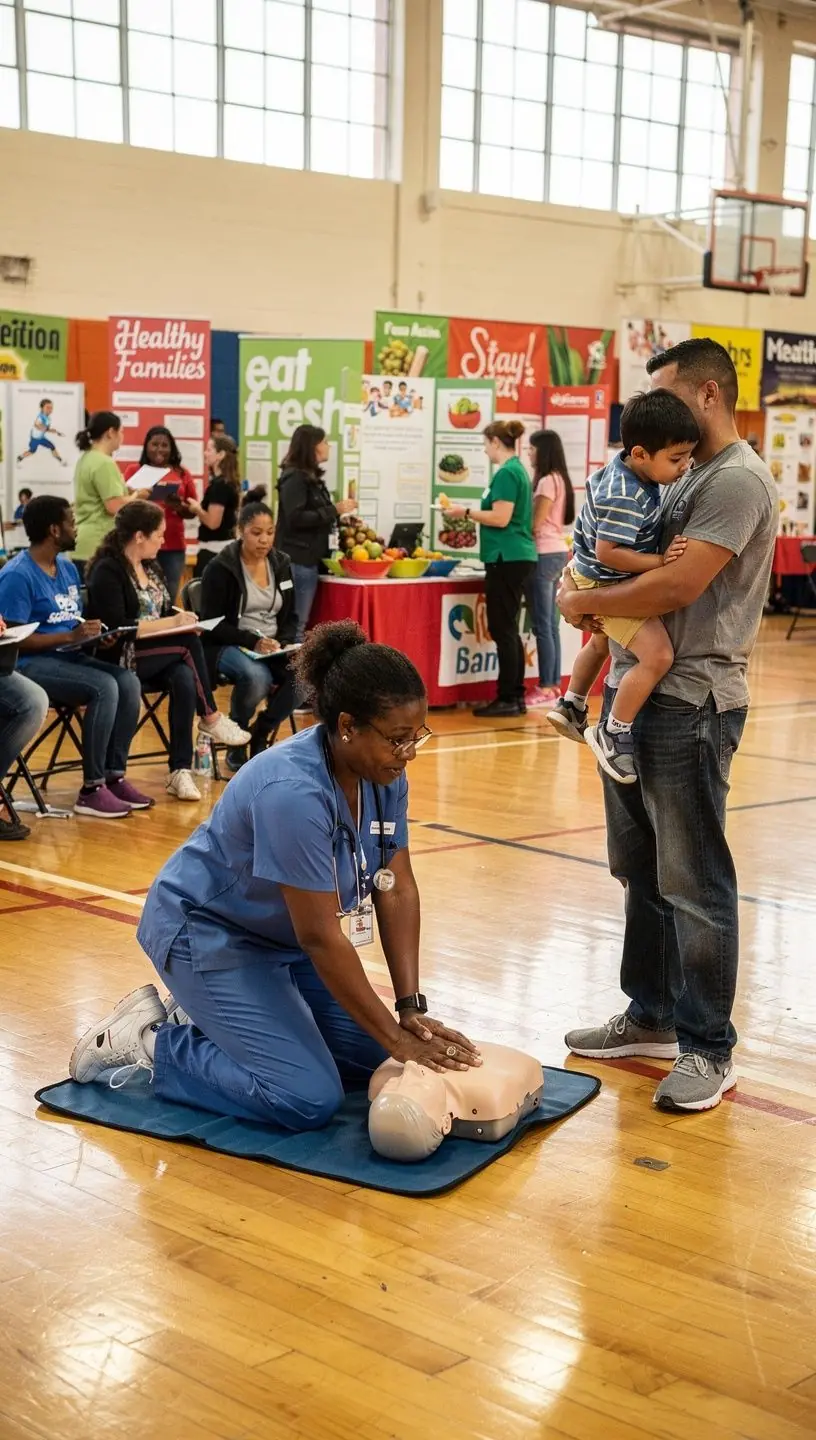
Incorporating local businesses and organizations into neighborhood collaboration efforts can amplify impact. Many experts recommend partnering with local schools, nonprofits, or businesses to create joint initiatives that benefit the entire community.
For example, organizing a neighborhood clean-up day in partnership with a local business can not only improve the environment but also foster a sense of community pride. According to the American Planning Association, partnerships like these can increase community engagement and participation.
Acknowledging Challenges
While collaboration offers numerous benefits, it also comes with challenges. Efforts to engage residents often require a significant investment of time and energy. Many residents may have differing priorities, which could lead to conflicting interests.
Setting realistic expectations is essential. Collaborative efforts typically take time to show results, often requiring ongoing commitment from participants. Recognizing that not every initiative will succeed is important; some ideas may need to be revisited or modified to better resonate with the community.
Conclusion
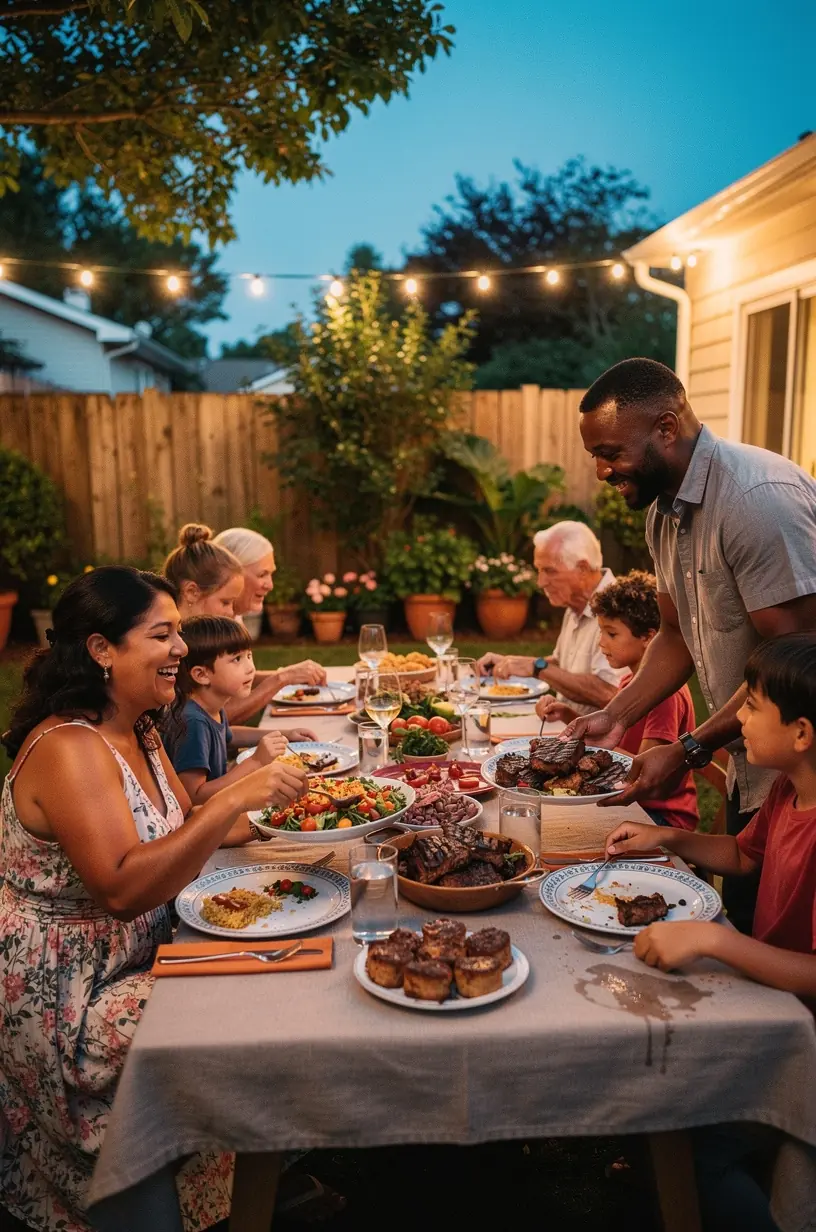
Fostering neighborhood collaboration is a journey that involves active participation, patience, and flexibility. By employing practical strategies and engaging with local organizations, residents can work together to create a more connected and supportive community. Remember, the most effective collaborations are those that prioritize inclusivity and open communication, allowing everyone to contribute to the collective well-being of the neighborhood.
Learn More