Practical Approaches to Local Problem Solving
In communities across the United States, local problem solving has become an essential part of fostering resilience and growth. By leveraging insights from residents, many neighborhoods have successfully addressed prevalent issues. This article explores practical approaches to local problem solving and emphasizes the importance of community engagement.
Understanding the Importance of Community Input
Community-driven solutions typically yield better results as they are informed by the actual experiences and needs of residents. According to research conducted by the Community Development Institute, projects that incorporate local input can experience a 30% increase in effectiveness compared to those that don't. This approach works because it ensures that solutions are tailored to the unique context of each community.

"Communities that actively engage their residents in decision-making processes tend to face fewer challenges and foster a greater sense of belonging." - Community Engagement Research Journal
Effective Strategies for Local Problem Solving
Implementing effective local problem-solving strategies requires planning, collaboration, and ongoing evaluation. Below are several practical methods that have proven effective in various contexts:
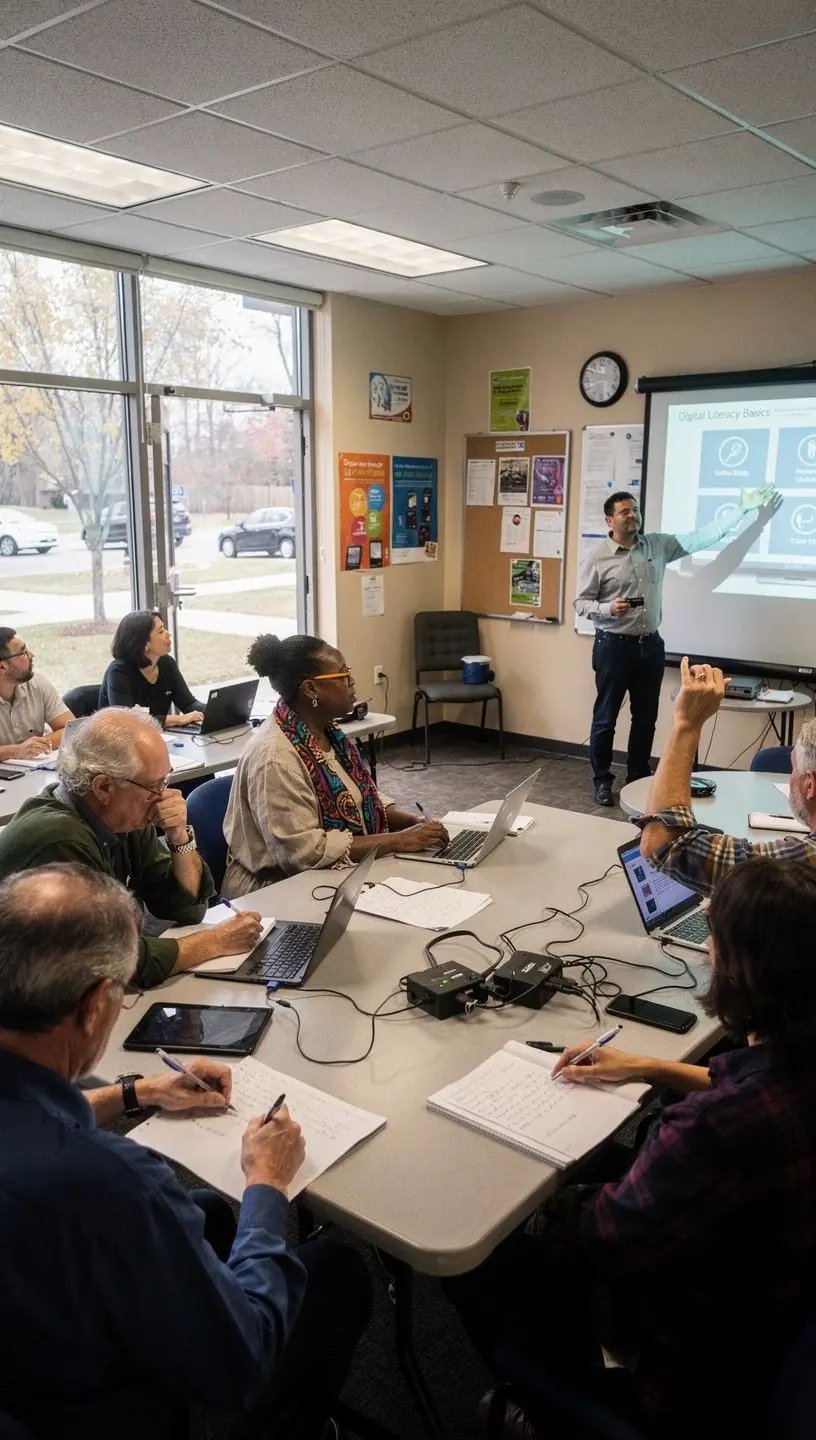
- Community Forums: Organizing regular community meetings allows residents to voice their concerns and propose solutions. Studies show that this method not only empowers citizens but also fosters a collaborative spirit.
- Joint Task Forces: Forming task forces that include diverse community members can help address specific issues. This approach often requires a commitment of time and effort but can lead to meaningful solutions.
- Surveys and Feedback Tools: Utilizing surveys to collect data on community needs can provide valuable insights. It's important to ensure that these tools are accessible and easy to complete to maximize participation.
Acknowledging Challenges and Limitations
While engaging the community in problem-solving can be beneficial, it is essential to recognize potential challenges. This process often involves a learning curve and may require consistent effort over time. It may not be ideal in situations where there is significant community disengagement or where specific issues are highly contentious. In these cases, building trust and rapport can take time, typically several months to see noticeable changes.
Conclusion
In conclusion, practical approaches to local problem solving hinge on community involvement and collaboration. By employing strategies such as community forums, joint task forces, and feedback mechanisms, neighborhoods can cultivate solutions that genuinely reflect their needs. Engaging residents not only fosters a sense of ownership but also enhances the likelihood of sustainable, positive change.