Practical Ways to Enhance Public Spaces
Public spaces play a crucial role in fostering community interaction and engagement. However, many urban areas struggle to utilize these spaces effectively. This article explores practical approaches to enhance public spaces, drawing on expert insights and research-backed strategies.
Understanding the Importance of Public Spaces
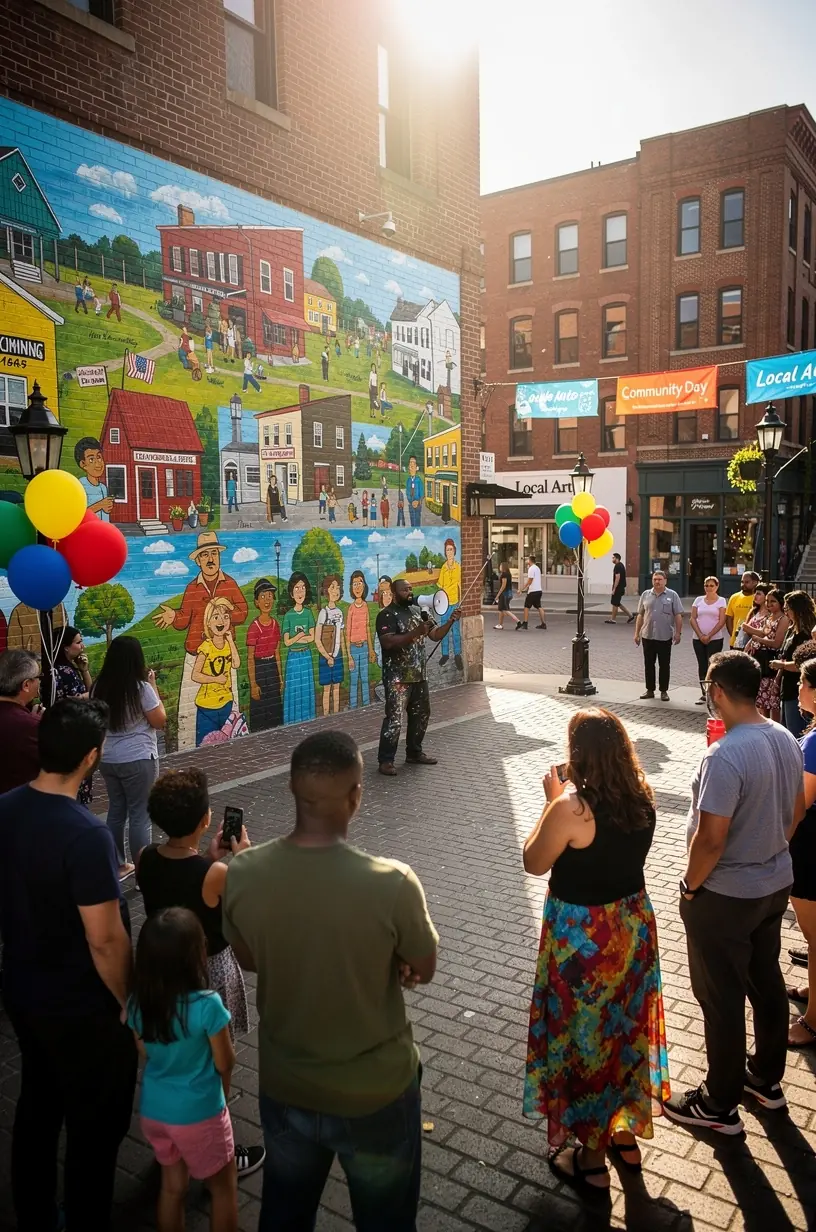
Public spaces serve as vital hubs for social interaction, recreation, and cultural expression. According to urban planning studies, well-designed public spaces can increase community cohesion and overall quality of life. These environments often encourage physical activity and can contribute to improved mental well-being.
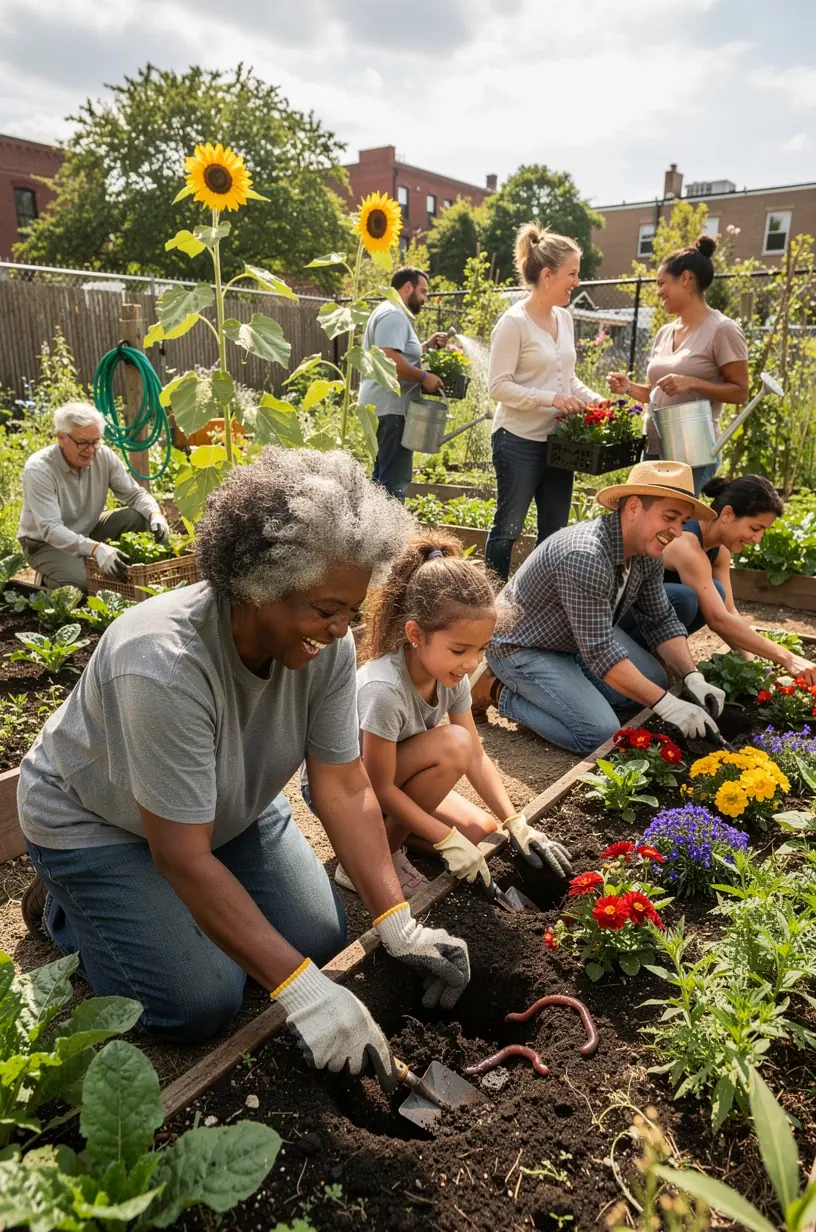
"Research indicates that vibrant public spaces can lead to a 20-30% increase in community engagement."
Strategies for Enhancing Public Spaces
Implementing effective strategies to enhance public spaces can lead to significant improvements in their usability and appeal. Here are several approaches based on industry best practices:
- Incorporate Greenery: Studies show that adding trees, plants, and green landscaping can improve air quality and reduce urban heat. It also creates a more inviting atmosphere, encouraging community members to spend time outdoors.
- Design for Accessibility: Making public spaces accessible for all individuals, including those with disabilities, is crucial. Experts recommend following guidelines like the ADA (Americans with Disabilities Act) standards to ensure inclusivity. This often requires thoughtful layout planning and feature installations.
- Encourage Community Input: Engaging local residents in the planning process often leads to spaces that better meet their needs. Community surveys and workshops, while initially time-consuming, can provide invaluable insights into what enhancements are most desired.
Assessing and Planning for Change
Before implementing changes, evaluating the current state of public spaces is essential. This typically involves:
- Conducting Surveys: Gathering feedback from community members can help identify pain points and opportunities for improvement.
- Analyzing Usage Patterns: Observing how people currently use the space can inform effective design choices. For example, areas that are underutilized may require new features or amenities to attract more visitors.
- Setting Clear Goals: Defining what constitutes success for the enhancement project helps keep the focus aligned with community needs and expectations.
Conclusion
Enhancing public spaces requires a thoughtful approach grounded in community needs and evidence-based strategies. By incorporating greenery, ensuring accessibility, and engaging the community in planning, cities can create vibrant public areas that foster interaction and improve quality of life. While changes may take time and effort, the long-term benefits of well-designed public spaces can significantly enrich local communities.