How to Create Inclusive Community Spaces
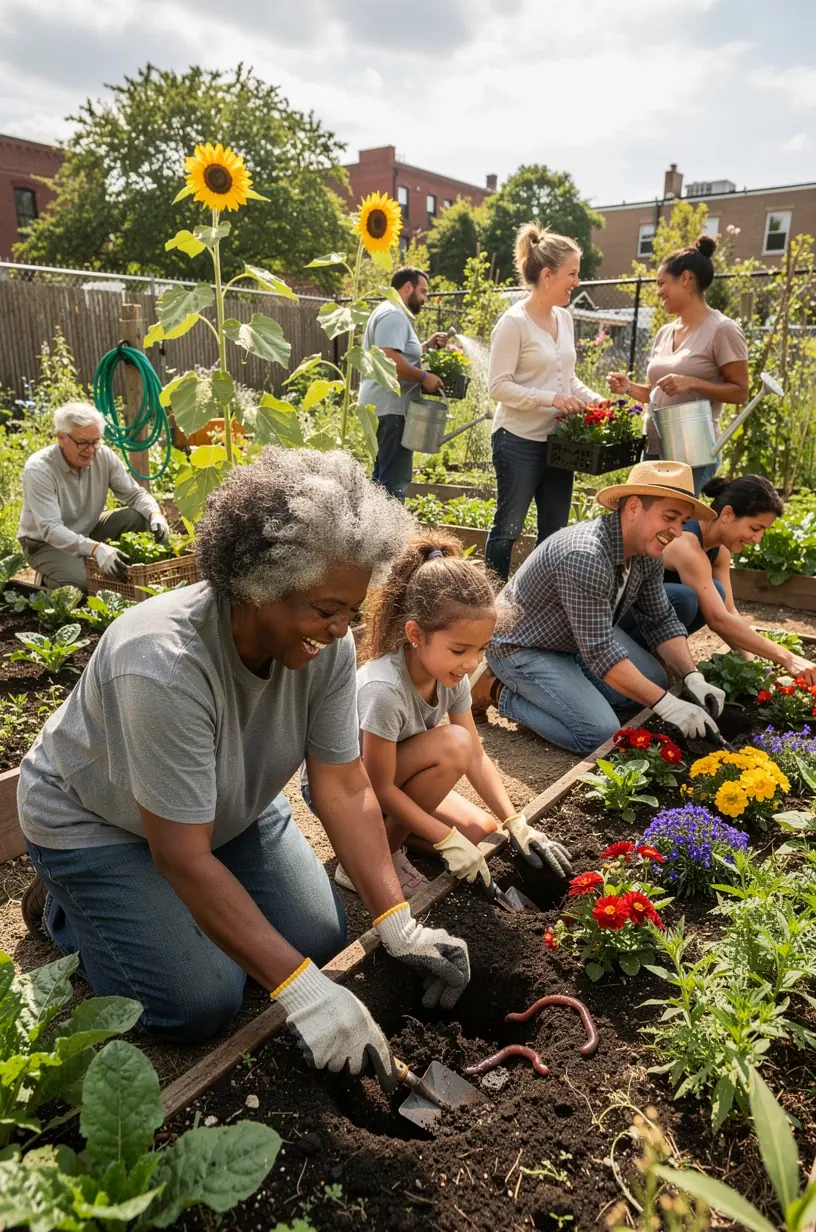
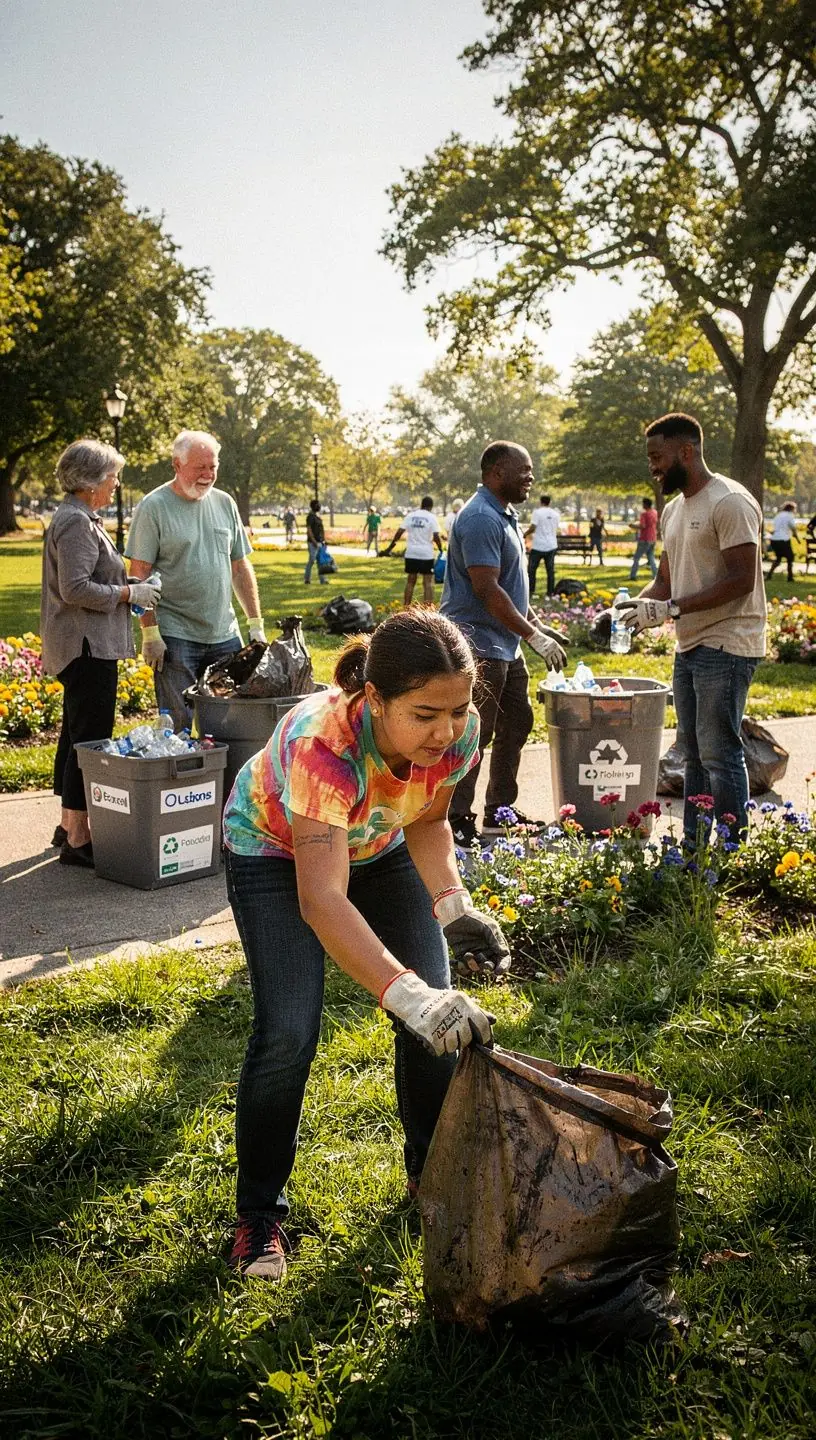
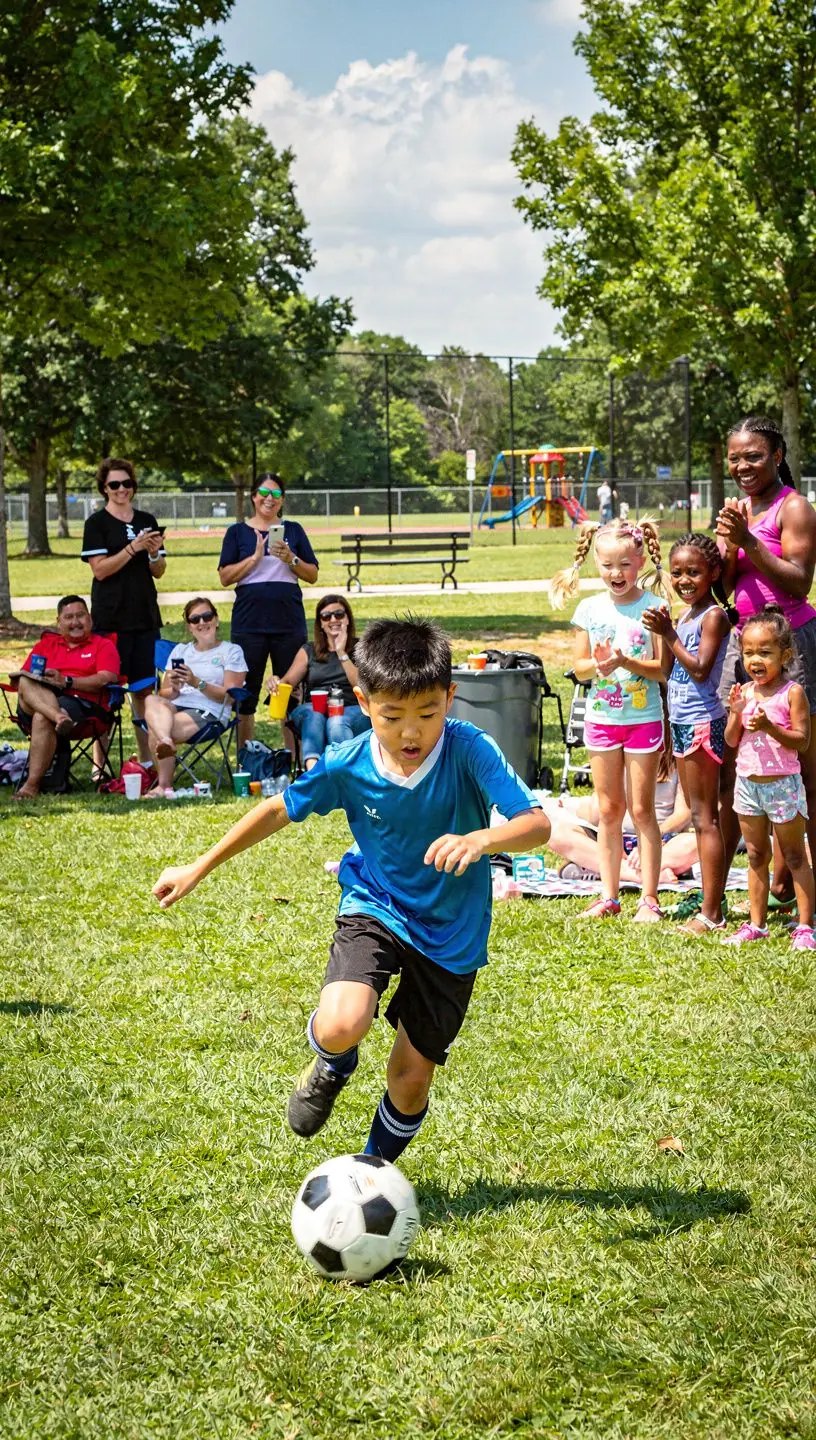
Creating inclusive community spaces is crucial for fostering engagement and ensuring that everyone feels welcome. This article explores practical strategies to cultivate environments that support diversity and inclusion.
Understanding Inclusion in Community Spaces
Inclusion is more than just a buzzword; it represents the commitment to making every individual feel valued and heard. According to a study by the American Psychological Association, inclusive environments can lead to higher levels of participation and satisfaction among community members. The principle behind this is that when people see themselves reflected in their community, they are more likely to engage actively.
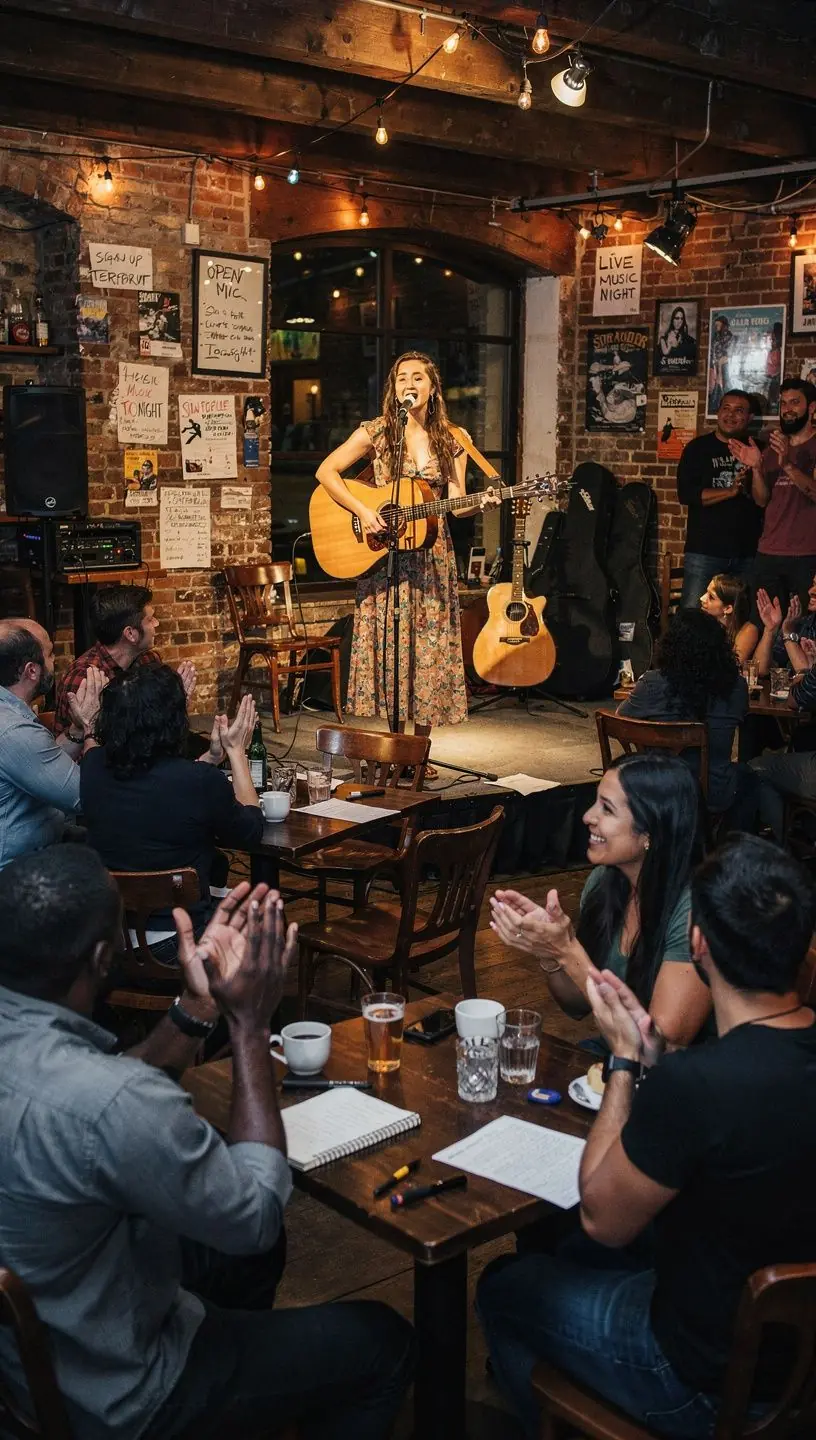
"An inclusive community is one that recognizes the value of diversity and actively works to create space for all voices."
Key Strategies for Building Inclusive Spaces
- Encourage Diverse Participation: Actively recruit individuals from various backgrounds to participate in community events. Research suggests that diversity can enhance creativity and problem-solving within groups, often leading to more innovative solutions.
- Adapt Physical Spaces: Ensure that community spaces are accessible to everyone, including those with disabilities. This typically involves implementing features like ramps, wider pathways, and appropriate signage. The ADA (Americans with Disabilities Act) outlines standards that can guide modifications.
- Facilitate Open Dialogue: Create forums for community members to share their experiences and perspectives. Many experts recommend regular town hall meetings or focus groups as effective ways to gather input and foster a sense of belonging.
- Acknowledge Cultural Differences: Recognizing and celebrating cultural diversity can significantly enhance community cohesion. This may involve hosting events that highlight various cultural traditions or providing multilingual resources to cater to non-English speakers.
- Provide Training on Inclusion: While formal training may require a time commitment, incorporating workshops that educate community leaders on inclusivity can be beneficial. Training sessions often cover topics such as unconscious bias and effective communication strategies.
Conclusion
Implementing these strategies to create inclusive community spaces is an ongoing process that typically requires time and effort. However, the rewards of fostering an inclusive environment—such as enhanced community engagement and satisfaction—are well worth it. By prioritizing these practical approaches, communities can cultivate a sense of belonging for all individuals, enriching the overall experience.