Practical Steps for Strengthening Neighborhood Bonds
Building strong neighborhood bonds can significantly enhance community well-being and safety. By fostering connections among residents, neighborhoods can become more resilient, supportive, and vibrant. This article outlines practical steps to strengthen these essential bonds.
Understanding the Importance of Neighborhood Connectivity
Research indicates that neighborhoods with strong social ties often experience lower crime rates and higher levels of resident satisfaction. According to a study by the National Institute of Justice, communities where residents engage positively with one another report a sense of safety and belonging that can be profoundly beneficial.

"Communities thrive when residents actively engage with one another, leading to enhanced safety and quality of life." - Community Development Expert
Steps to Build Stronger Neighborhood Bonds
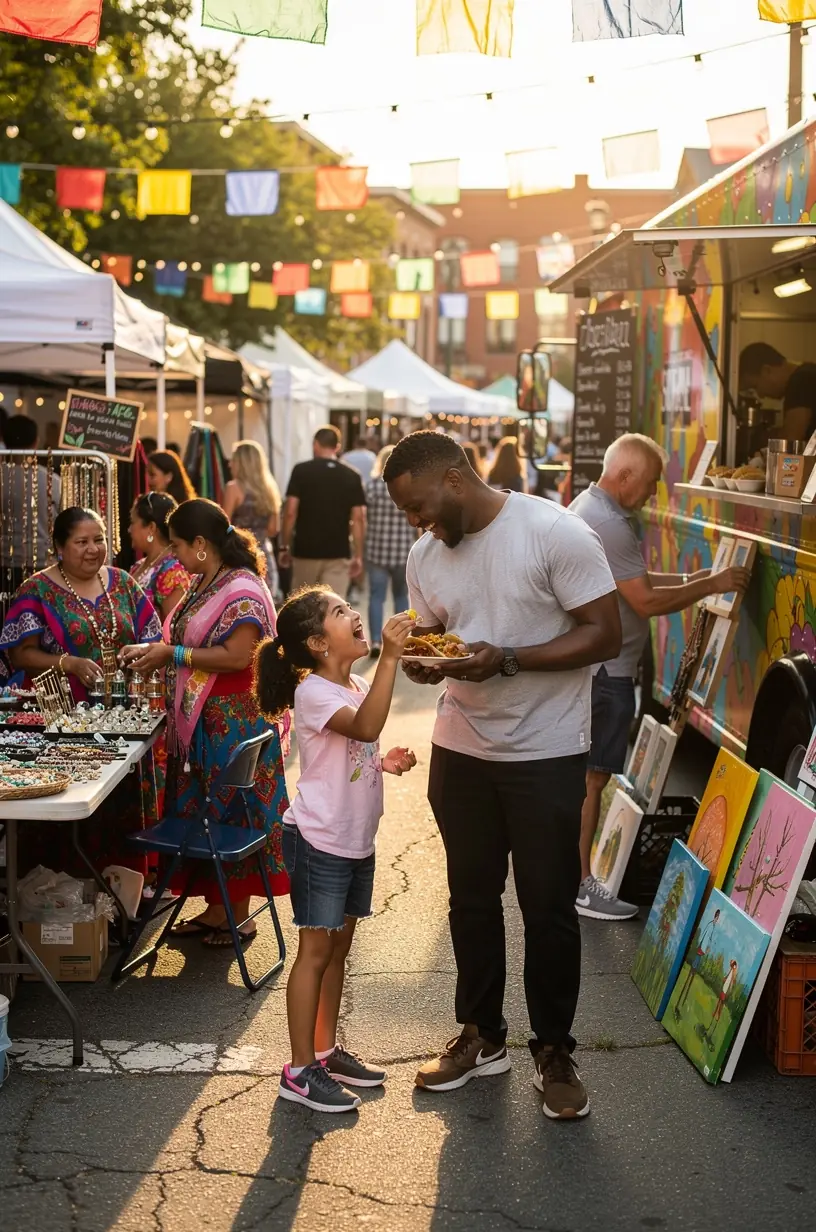
- Host Regular Community Gatherings: Organize events like block parties, potlucks, or seasonal celebrations. These gatherings can help foster relationships among residents. According to community organizers, events that occur at least once a month often lead to increased neighbor interaction.
- Create a Neighborhood Communication Channel: Establish a platform, such as a social media group or a dedicated messaging app, where residents can share information, ask questions, and provide updates. Studies show that effective communication can significantly enhance community engagement.
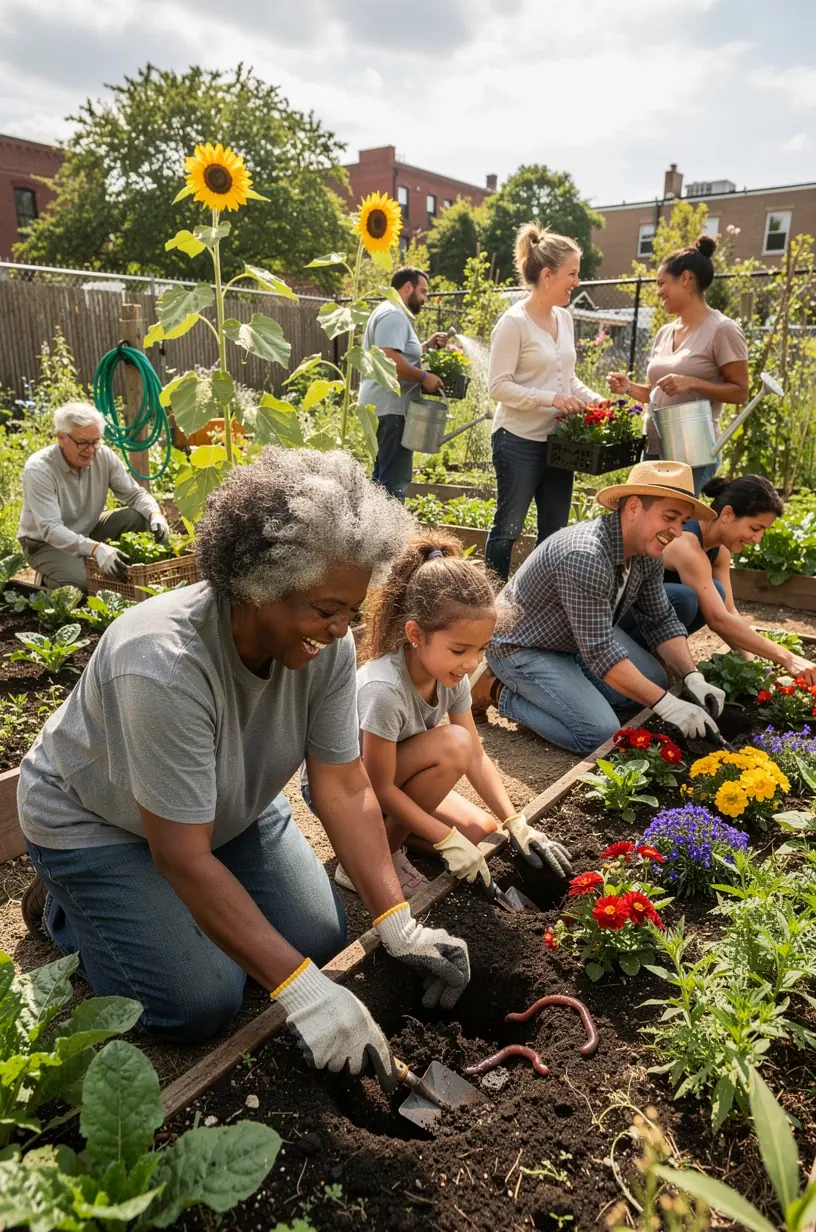
- Form Interest-Based Groups: Encourage residents to create groups based on shared interests, whether it's gardening, sports, or book clubs. This approach has proven effective in promoting deeper connections, as many users report enjoying the camaraderie that stems from common activities.
Overcoming Challenges
While building neighborhood bonds is beneficial, it can come with challenges. It often requires time and consistent effort from residents. Initiatives may take several months to yield noticeable results, and it’s essential to approach them with patience. Engaging an entire community can be daunting; thus, starting small and building momentum is recommended.
Measuring Success in Community Engagement
To gauge the effectiveness of your efforts, consider conducting surveys or informal check-ins with residents. Collecting feedback can provide insights into what works well and what might need adjustment. Experts suggest that regularly evaluating engagement initiatives ensures they remain relevant and effective.
Conclusion
Strengthening neighborhood bonds is a meaningful endeavor that requires effort and commitment. By implementing the steps outlined above, residents can create more engaged, supportive environments. While the process may take time, the long-term benefits to community cohesion are well worth the investment.